
Circuit Breaker Installation: Enhance Your Electrical System’s Safety and Efficiency | 011 486 6182 | 073 913 5383
Circuit breaker installation is a critical aspect of electrical work that plays a vital role in protecting your home or business from electrical overloads, short circuits, and other safety hazards. A well-installed circuit breaker can help prevent electrical fires, reduce the risk of electrical shock, and ensure the overall safety and efficiency of your electrical system. In this article, we will explore the importance of professional circuit breaker installation and what you can expect from a qualified electrician.
Importance of Professional Circuit Breaker Installation
Circuit breaker installation requires a great deal of expertise and attention to detail. A professional electrician has the training and experience to install circuit breakers correctly, ensuring that your electrical system operates safely and efficiently.
Some of the reasons why professional circuit breaker installation is essential include:
- Safety: A poorly installed circuit breaker can be a safety hazard, leading to electrical fires, electrical shock, or even fatalities. A professional electrician ensures that the circuit breaker is installed correctly and meets all safety standards.
- Efficiency: A well-installed circuit breaker can help reduce energy consumption by preventing electrical overloads and ensuring that your electrical system operates efficiently.
- Reliability: A professionally installed circuit breaker can provide reliable protection for your electrical system, reducing the risk of electrical failures and downtime.
- Code Compliance: A professional electrician ensures that the circuit breaker installation meets all relevant electrical codes and regulations, reducing the risk of fines or penalties.
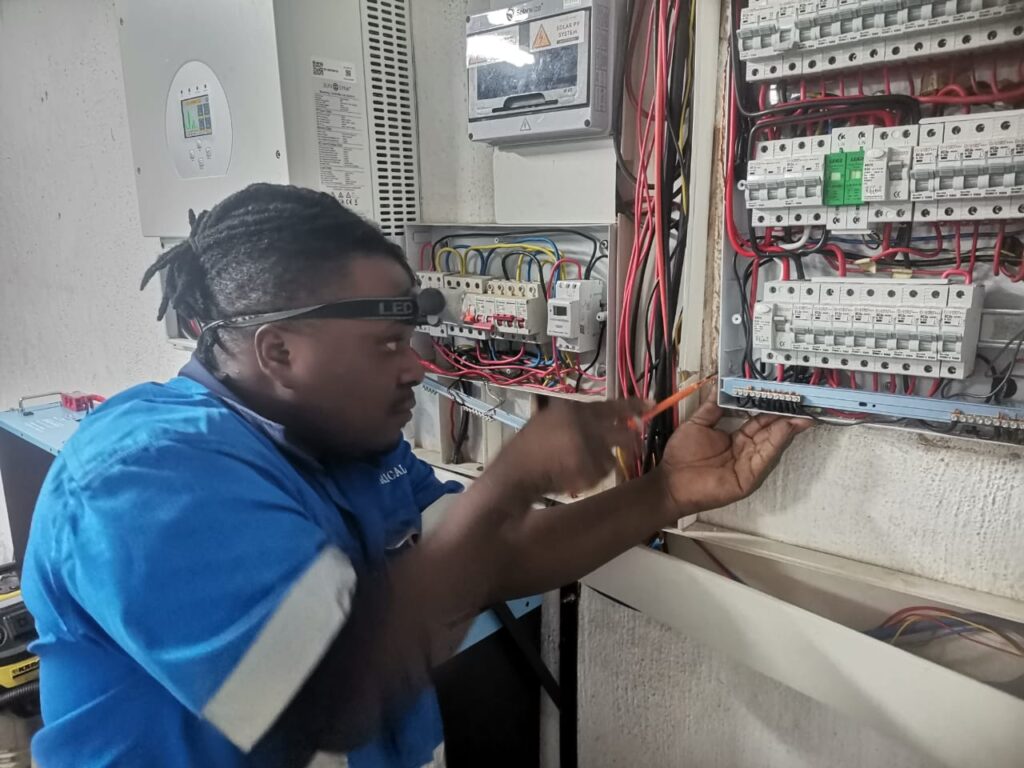
Circuit Breaker Installation: Enhance Your Electrical System’s Safety and Efficiency
Types of Circuit Breakers
There are several types of circuit breakers available, each with its own unique features and benefits. Some of the most common types of circuit breakers include:
- Single-Pole Circuit Breakers: These circuit breakers control a single circuit and are the most common type of circuit breaker.
- Double-Pole Circuit Breakers: These circuit breakers control two circuits and are often used for larger appliances or equipment.
- Ground Fault Circuit Interrupters (GFCIs): These circuit breakers are designed to protect against ground faults and are often used in areas where water is present, such as bathrooms or kitchens.
- Arc Fault Circuit Interrupters (AFCIs): These circuit breakers are designed to protect against arc faults and are often used in areas where electrical wiring may be more prone to damage.
Benefits of Circuit Breaker Installation
Circuit breaker installation provides several benefits, including:
- Improved Safety: Circuit breakers can help prevent electrical fires, electrical shock, and other safety hazards.
- Reduced Energy Consumption: Circuit breakers can help reduce energy consumption by preventing electrical overloads and ensuring that your electrical system operates efficiently.
- Increased Reliability: Circuit breakers can provide reliable protection for your electrical system, reducing the risk of electrical failures and downtime.
- Code Compliance: Circuit breaker installation can help ensure that your electrical system meets all relevant electrical codes and regulations.
Circuit Breaker Installation Process
The circuit breaker installation process typically involves the following steps:
- Assessment: The electrician will assess your electrical system to determine the type and size of circuit breaker required.
- Selection: The electrician will select the correct circuit breaker for your needs, taking into account factors such as the type of electrical load, the size of the circuit, and the electrical panel.
- Installation: The electrician will install the circuit breaker, ensuring that it is properly connected to the electrical panel and meets all safety standards.
- Testing: The electrician will test the circuit breaker to ensure that it is working correctly and safely.
Conclusion
Circuit breaker installation is a critical aspect of electrical work that requires the expertise of a qualified electrician. By hiring a professional electrician, you can ensure that your circuit breakers are installed correctly, providing reliable protection for your electrical system and ensuring the safety and efficiency of your home or business.
Get a Quote Today
If you’re interested in learning more about circuit breaker installation or would like to get a quote, contact S&T Construction today. Our team of experts is dedicated to providing top-notch electrical services.
- Phone: 011 486 6182 | 073 913 5383
- Email: tanacio@stconstruction.co.za
- Address: No 9 Cotton Woodlane 3rd Road Northwold Randburg 2188 Jhb
- Facebook: https://www.facebook.com/profile.php?id=61580639083604
We’re committed to providing you with the best electrical services in the industry. Contact us today to learn more!