
Drywall Sanding: Achieving a Smooth Finish | 011 486 6182 | 073 913 5383
Drywall sanding is a crucial step in achieving a flawless finish for your walls and ceilings. It’s a process that requires patience, skill, and the right tools to get the job done right. At S&T Construction, we understand the importance of drywall sanding and offer expert services to ensure your project looks its best.
Why Drywall Sanding is Important
Drywall sanding is essential for creating a surface that’s ready for painting or finishing. It helps to remove imperfections, such as bumps, ridges, and scratches, leaving your walls and ceilings looking smooth and even. Proper drywall sanding also ensures that your paint or finish adheres evenly, reducing the risk of imperfections showing through.
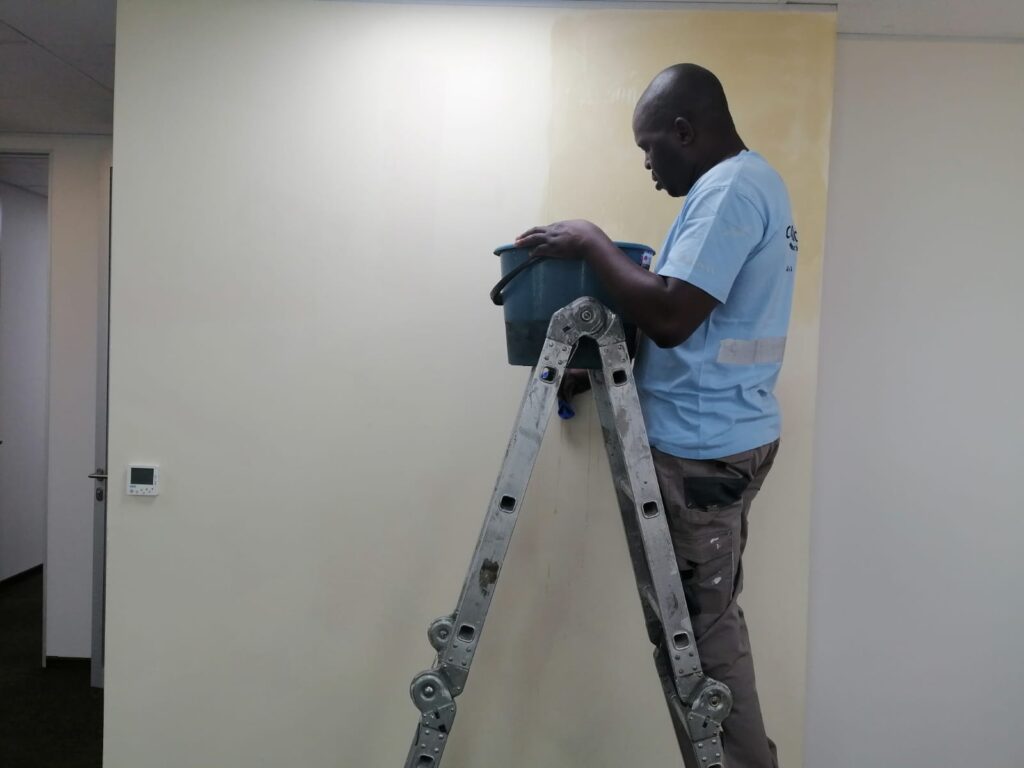
Get a Smooth Finish with Our 3-Step Drywall Sanding Process
Essential Tools for Drywall Sanding
To get started with drywall , you’ll need the right tools. Here are some essentials:
- Drywall Sander: A power tool designed specifically for sanding drywall, available in handheld or pole-mounted options.
- Sanding Sponge: A flexible sponge used for wet sanding and smoothing out corners and edges.
- Sandpaper: Various grits (120-220) for different stages of sanding.
- Dust Mask: Protects you from inhaling drywall dust.
- Safety Goggles: Shields your eyes from debris.
Drywall Sanding Techniques
Here are some techniques to help you achieve a smooth finish:
- Wet Sanding: Uses a damp sponge to smooth out imperfections and reduce dust.
- Dry Sanding: Uses sandpaper or a drywall sander to remove imperfections and smooth out surfaces.
- Feathering: Involves sanding the edges of joints and seams to blend them with the surrounding surface.
Step-by-Step Drywall Sanding Process
- Prepare the Area: Cover floors, furniture, and windows to protect them from dust.
- Apply Joint Compound: Fill joints, seams, and holes with joint compound.
- Allow to Dry: Let the compound dry completely before sanding.
- Initial Sanding: Use 120-grit sandpaper to remove excess compound and smooth out imperfections.
- Medium Sanding: Switch to 150-grit sandpaper to further smooth out surfaces.
- Final Sanding: Use 220-grit sandpaper for a smooth finish.
- Inspect and Touch Up: Inspect the surface and touch up any imperfections.
Tips for Efficient Drywall Sanding
- Work in Small Sections: Divide the area into smaller sections to maintain even sanding.
- Use the Right Grit: Choose the right grit sandpaper for each stage of sanding.
- Avoid Over-Sanding: Sand gently to avoid damaging the drywall.
- Use a Dustless Sander: Consider using a dustless sander to minimize dust.
Common Mistakes to Avoid
- Insufficient Sanding: Failing to sand enough can lead to imperfections showing through.
- Over-Sanding: Sanding too much can damage the drywall.
- Incorrect Grit: Using the wrong grit sandpaper can lead to scratches or imperfections.
Our Drywall Sanding Services
At S&T Construction, we offer expert drywall services to ensure your project looks its best. Our team uses high-quality materials and advanced techniques to deliver flawless results. We serve residential, commercial, and industrial clients throughout South Africa.
Contact Us:
Phone: 011 486 6182 | 073 913 5383
Email: tanacio@stconstruction.co.za
Address: No 9 Cotton Woodlane 3rd Road Northwold Randburg 2188 Jhb
Facebook: https://www.facebook.com/profile.php?id=61580639083604