
Preventive Maintenance: The Key to Reducing Costs and Increasing Efficiency | 011 486 6182 | 073 913 5383
Preventive maintenance is a proactive approach to maintenance that involves regular inspections, repairs, and replacements to prevent equipment failures and reduce downtime. By implementing a preventive maintenance program, organizations can reduce costs, increase efficiency, and improve overall productivity. In this article, we’ll explore the benefits, types, and best practices of preventive maintenance, as well as provide tips for implementing a successful preventive maintenance program.
Benefits of Preventive Maintenance
Preventive maintenance offers numerous benefits, including [1]:
- Reduced Downtime: Preventive maintenance can help reduce downtime by identifying and addressing potential issues before they cause equipment failures.
- Increased Efficiency: maintenance can help improve equipment efficiency.
- Cost Savings: maintenance can help reduce costs by reducing the need for costly repairs and replacements.
- Improved Safety: maintenance can help improve safety by identifying and addressing potential hazards before they cause accidents.
- Increased Productivity: maintenance can help improve productivity by reducing downtime and improving equipment efficiency.
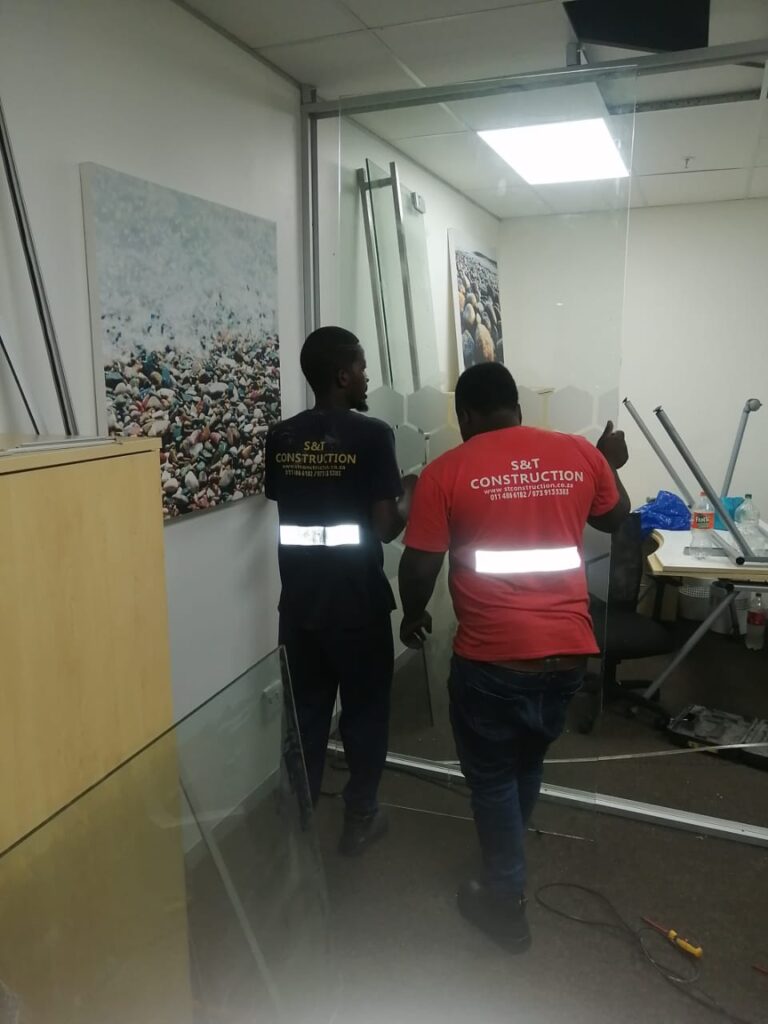
Preventive Maintenance: The Key to Reducing Costs and Increasing Efficiency
Types of Preventive Maintenance
There are several types of maintenance, including [2]:
- Scheduled Maintenance: Scheduled maintenance involves performing maintenance tasks at regular intervals, such as every 30 days or every 100 hours of operation.
- Predictive Maintenance: maintenance involves using data and analytics to predict when maintenance is required.
- Condition-Based Maintenance: Condition-based maintenance involves performing maintenance based on the condition of the equipment.
- Reliability-Centered Maintenance: Reliability-centered maintenance involves identifying and addressing the root causes of equipment failures.
Best Practices for Preventive Maintenance
Here are some best practices for maintenance [3]:
- Develop a Maintenance Schedule: Develop a maintenance schedule that outlines the tasks to be performed and the frequency of each task.
- Use a Computerized Maintenance Management System (CMMS): A CMMS can help track maintenance activities, schedule tasks, and identify trends and patterns.
- Train Maintenance Personnel: Train maintenance personnel on the equipment and tasks they will be performing.
- Keep Records: Keep records of maintenance activities, including the tasks performed, the date and time of the task, and any issues or problems encountered.
- Continuously Monitor and Improve: Continuously monitor and improve the maintenance program to ensure it is effective and efficient.
Implementing a Preventive Maintenance Program
Implementing a maintenance program involves several steps, including [4]:
- Identify Equipment and Systems: Identify the equipment and systems that require preventive maintenance.
- Develop a Maintenance Schedule: Develop a maintenance schedule that outlines the tasks to be performed and the frequency of each task.
- Gather Resources: Gather the resources needed to perform the maintenance tasks, including personnel, tools, and equipment.
- Train Personnel: Train maintenance personnel on the equipment and tasks they will be performing.
- Monitor and Evaluate: Monitor and evaluate the effectiveness of the maintenance program.
Challenges and Limitations of Preventive Maintenance
While maintenance offers numerous benefits, there are also challenges and limitations to consider, including [5]:
- Cost: Implementing a maintenance program can be costly, especially if it requires significant investments in equipment and personnel.
- Time-Consuming: maintenance can be time-consuming, especially if it requires shutting down equipment or performing tasks during off-hours.
- Limited Effectiveness: maintenance may not be effective in all cases, especially if the equipment is not properly designed or maintained.
Conclusion
Preventive maintenance is a proactive approach to maintenance that can help reduce costs, increase efficiency, and improve overall productivity. By understanding the benefits, types, and best practices of maintenance, organizations can implement effective maintenance programs that meet their needs and goals. Whether you’re a maintenance manager, operations manager, or business owner, maintenance is an essential strategy to consider.
Get Started with Preventive Maintenance Today
If you’re interested in learning more about preventive maintenance or would like to implement a maintenance program, contact us today to schedule a consultation.
Some potential follow-up questions could be:
- What are the most effective tools and technologies for maintenance?
- How can I measure the effectiveness of my maintenance program?
- What are the common mistakes to avoid in maintenance?
Contact Us:
Get in touch with S&T Construction today to schedule your geyser service in Bryanston. Our team is ready to assist you with any questions or concerns you may have.
– Phone: 011 486 6182 | 073 913 5383
– Email: tanacio@stconstruction.co.za
– Address: No 9 Cotton Woodlane 3rd Road Northwold Randburg 2188 Jhb
Facebook: https://www.facebook.com/profile.php?id=61580639083604